Tribes don't grow brands (strangers do)
The first book I ever bought
I never dreamed of becoming a marketer. In fact, thinking about it, I don't think I knew marketing was a career option until I was already in it. After about five years in communications at FMC Corporation, I started taking over some of the corporate marketing responsibilities. I had no experience or credentials. But as we know, some orgs feel comfortable delegating marketing responsibilities to these types of people. I didn't know where to start, but This Is Marketing by Seth Godin seemed like a good place. The title implied that this was the guide to what you need to know in marketing.
I remember first reading it, and how it made me feel. It made total sense. Godin, if nothing else, is a brilliant writer. He uses simple language, has great metaphors, and doesn't bother with any data or research. I was sold. Of course, as a consumer, you don't want to be interrupted. You want things on your own terms.
The other aspect of the book that lands is the point about community. Rather than chasing massive, amorphous audiences, Godin advocates focusing on the "smallest viable audience." The point is that this "tribe," as he calls it, has a shared purpose, which makes selling to them superfluous. Instead, they will actively seek out, buy, and promote your product or services.
And what are humans if not tribal? Thinking about myself, I belong to many tribes. On most Sundays during the year, I become fully immersed in the Manchester United community. I wear the shirt, I watch the match, I listen to the podcasts, and I go to the subreddit.
There's also a deeper appeal to the Godin worldview. There's a moral valence to it. Marketers who follow the Godin worldview can see themselves as somehow more respectable people because they try to do genuinely good work, respect people, and earn permission. They don't annoy and intrude into your life. And the market rewards virtue, right? Marketers had historically been viewed in a negative light, mentioned in the same breath as lawyers and politicians. Godin told us we should feel good about what we do.
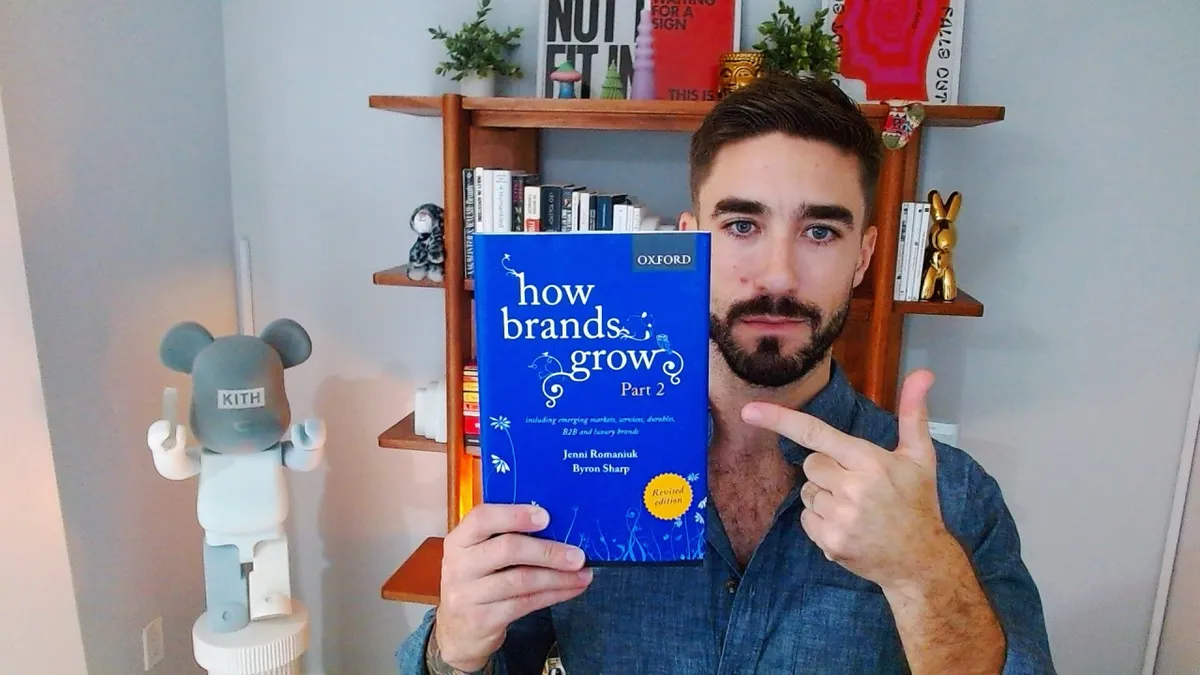
Then I picked up How Brands Grow
And oh boy did my marketing worldview change. It turns out that for a brand to grow, marketers must focus on penetration, not loyalty. Heavy buyers are real, but they're already bought — and they regress to the mean anyway. Light buyers are where the real money is: a devoted tribe is a statistical rounding error next to the light and non-buyers who determine growth. And guess what the best way to reach these light buyers is? It's precisely the mass marketing approach that Godin rails against.
Tight targeting sounds smart, but it isn't. When you realize that your future buyers — those who are not going to buy from you today, next month, or even this year — make up 95% of your audience (the Ehrenberg Bass Institute calls this the 95:5 rule), tight targeting starts sounding pretty useless. Over time, people change jobs, move, and develop new preferences. There might actually be something to this mass marketing thing that has worked for over hundred years!
The problem with How Brands Grow is that it's filled with research, facts, and data. It doesn't quite read like the Godin books that are purely based on vibes. And we know how much marketers love vibes...
How we think we buy vs. how we actually buy
This is the problem with marketing. Vibes and introspection are how decisions in marketing are made, not years of evidence. You think that you feel strongly about your local grocery store, but really it's a matter of mental and physical availability: does it register as an option when you need to get more vegetables, and is it close enough to your house?
When I lived near Midtown Miami, there was a Trader Joe's 1 mile from our house. My wife said that she loved the quirky vibes and the unique product selection. We would go there every weekend without fail. But then we moved. And now Publix is closer to us. Do you think the quirky vibes and unique product selection brought us back? Not.A.Single.Time. Even when we're in the area, we don't think about Trader Joe's. We would have been categorized as heavy buyers of the brand, and it would have been rational to think we just loved Trader Joe's more than other brands. But really, it was all about convenience.
This is the real lesson, and it's bigger than Godin vs. Sharp: introspection is a terrible witness. Ask me why I shop where I shop and I'll tell you a lovely story about values and vibes and community. Watch what I actually do, and I buy whatever is mentally and physically closest when the need shows up. Godin built a model of marketing on how buying feels from the inside. Sharp built one on what buyers actually do.
Why we wanted to believe
Permission marketing flattered the profession by making us moral. If ChatGPT would summarize this worldview, it would say: "Marketing isn't about hijacking your attention to sell you widgets you don't need — it's about creating a better world fueled by community, where brands have earned the undying loyalty of their customer tribe."
Permission marketing arrived at the same time as new attributable channels started to dominate marketing fields. And permission marketing also flattered us in the dashboard. Tribes are measurable — opens, follows, engagement rates, community group growth. Easy to report on, easy to categorize. 'Future buyers', meanwhile, are invisible. The light buyer who makes an impulsive decision doesn't record on the dashboard. Neither does the amorphous buying committee made up of a dozen every-changing, cross-functional team who takes 3 years to make a SaaS purchase decision. As with brands, we took the easy route and optimized for the audience we could see and called it strategy. We mistook the visible for the valuable.
Every brand thinks it's Manchester United
And look, I know the objection, because I am the objection. I told you I'm tribal about Manchester United, and I meant it. The shirt, the podcasts, the suffering. Sports loyalty is real. So is loyalty to your country, or your city.
But that's precisely the problem: every brand thinks it's Manchester United. Fresh Grocer is not Manchester United. Trello is definitely not Manchester United. Sports teams are the exception that Godin's model quietly generalizes from, Sharp would concede that point. But these categories where identity is genuinely on the line are exceptional. Almost no purchase is. For everything else, brands are not in someone's tribe. If you're lucky, you're in their consideration set in specific buying decisions. That's it.
Philosophy and physics
The book I wish Godin wrote is This Is Marketing Ethics. If you read him in that sense, there is real wisdom there: treat your buyers well, don't spam, make things worth making. Many marketers could benefit from this attitude today instead of contributing to The Great Enshittification.
But this just doesn't translate to a growth model. Permission is a retention tactic, and retention is not the main objective of marketing. Growth is.
Keep both books on the shelf. Just know which one is philosophy and which one is physics.